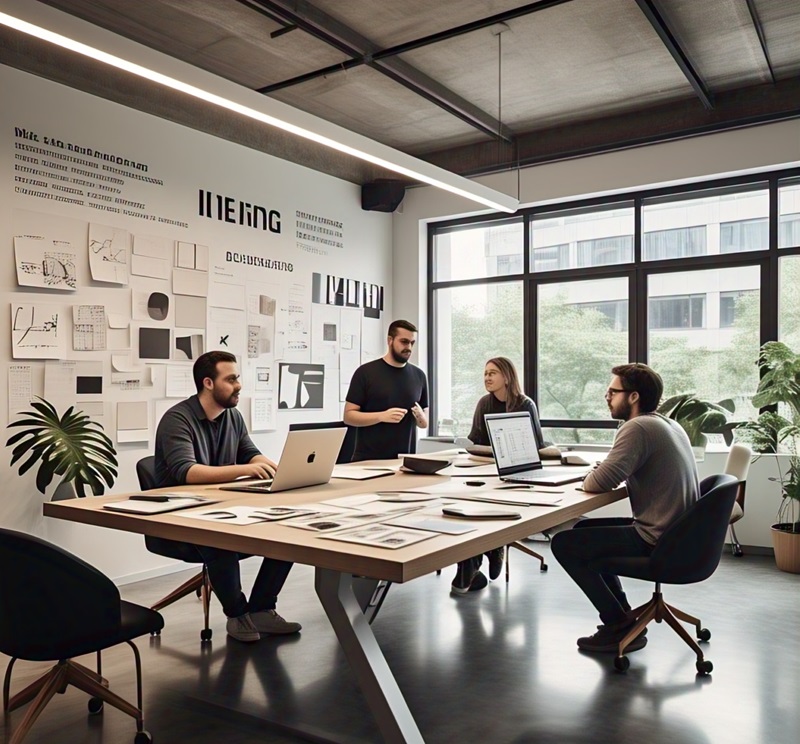
As we move deeper into the digital age, web design continues to evolve rapidly. What was cutting-edge a year ago may now feel outdated. In 2025, web design is leaning heavily into personalization, immersive experiences, and simplified aesthetics that serve both beauty and function. If you’re a web designer, developer, or business owner looking to stay ahead of the curve, here are five emerging web design trends you need to watch — and implement — to keep your website modern, user-friendly, and competitive.
1. AI-Driven Personalization: Smarter, More Adaptive Websites
Artificial Intelligence (AI) is no longer a futuristic concept—it’s becoming a standard tool in modern web design. In 2025, AI-driven personalization is transforming how users interact with websites. Instead of offering a one-size-fits-all experience, websites now adapt in real-time based on user behavior, preferences, location, and previous interactions.
This level of personalization enhances user experience and increases conversion rates. For example, an e-commerce site can display products based on a user’s browsing history, while a news site can curate headlines tailored to individual reading habits. By leveraging machine learning algorithms, websites become more intuitive, making navigation faster and content more relevant.
Personalization can help reduce bounce rates and increase dwell time—two metrics search engines consider when ranking pages.
2. Dark Mode as a Default Design Choice
Dark mode has transitioned from a trend to a design standard. Initially popularized by mobile operating systems and apps, dark mode is now being embraced across the web. In 2025, it’s not just an option—it’s increasingly becoming the default.
Dark mode isn’t just visually appealing; it’s also practical. It reduces eye strain, saves battery life on OLED screens, and allows vibrant accent colors to stand out more dramatically. Brands are using dark backgrounds with high-contrast typography and glowing highlights to create a modern, sleek look.
Designers are also integrating toggles that allow users to switch between light and dark themes seamlessly, adding an extra layer of user control.
Use dark mode wisely by ensuring sufficient contrast and accessibility compliance—important factors for search engine rankings and user satisfaction.
3. Cinemagraphs and Subtle Animations for Engagement
Gone are the days of static websites. In 2025, motion is the new norm, but with a twist—web designers are favoring subtlety over flashiness. Cinemagraphs, which are high-quality still images with repeated minor movements, are becoming popular in hero sections and backgrounds. These moving visuals create an immersive experience without distracting the user.
In addition, micro-interactions—tiny animations triggered by user actions—are enhancing interactivity. Whether it’s a hover effect on a button or a smooth scroll animation, these elements guide users through the site in an engaging and intuitive way.
These lightweight animations help improve user engagement, which can positively affect SEO metrics like time on site and interaction rate.
4. 3D Elements and Immersive Interfaces
Another standout trend for 2025 is the increasing use of 3D visuals and immersive web experiences. Thanks to advancements in browser technology and tools like WebGL and Three.js, designers can now incorporate complex 3D elements directly into websites.
These immersive interfaces are especially effective for showcasing products, virtual tours, or interactive storytelling. They not only grab attention but also help users better understand and interact with content. For instance, a product page with a 360-degree 3D viewer can provide a more engaging experience than a simple photo gallery.
Some websites are even starting to experiment with AR (Augmented Reality) and VR (Virtual Reality) integrations, paving the way for the next frontier in web design.
Optimize 3D elements for performance to avoid slow loading times, which can negatively affect your SEO rankings.
5. Minimalism with Maximal Impact
Minimalist design remains a strong influence in 2025, but it’s evolving to pack a punch. Today’s minimalism is all about bold statements: oversized typography, daring color contrasts, and strategically placed elements that guide the user’s journey.
Trends like Neobrutalism—a raw, grid-based, almost “unfinished” aesthetic—and Bento UI—inspired by the modular design of iOS widgets—are leading the charge. These styles emphasize clarity, speed, and usability, often with fewer distractions and more emphasis on functionality.
This minimal-but-impactful approach ensures that content remains the focal point, enhancing readability and user experience.
Clean, focused layouts load faster and are easier for search engines to crawl, which contributes to better ranking performance.
Summary
Keeping up with web design trends is essential for staying relevant in a fast-moving digital environment. Whether you’re building a brand-new site or updating an existing one, along with a good web design company ,these five trends—AI-driven personalization, dark mode, subtle animations, immersive 3D elements, and evolved minimalism—are shaping the future of web design in 2025.
By adopting these emerging strategies, not only will your website look cutting-edge, but it will also perform better, engage users more effectively, and rank higher in search engine results. Remember, a great website isn’t just about looks—it’s about creating seamless, valuable experiences that meet the needs of your users.
 Site Title
Leave a comment